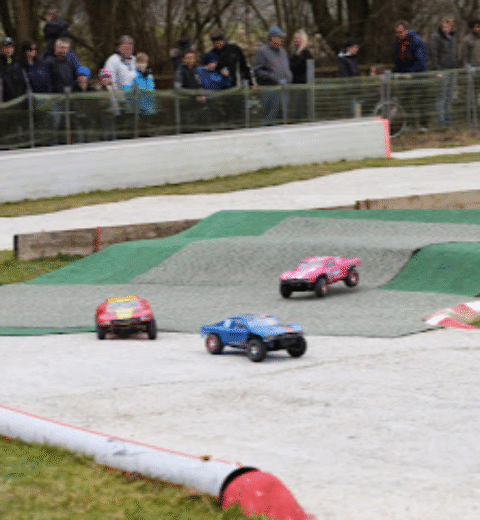
Remote Control (RC) cars have come a long way since the early days of simple toy models with basic controls. In 2025, RC cars are faster, more durable, smarter, and more customizable than ever before. Whether you’re a seasoned hobbyist, a weekend basher, or just getting into the RC world, this guide will give you the latest insights, tips, and knowledge to elevate your RC experience.
🚗 What Are RC Cars, and Why Are They So Popular?
RC cars are miniature, radio-controlled vehicles that you operate from a distance using a handheld transmitter. They’re not just toys; they’re highly engineered machines designed for speed, off-roading, drifting, and even competitive racing.
So, why the hype?
Technology: With brushless motors, LiPo batteries, and 2.4GHz systems, RC cars are more advanced than ever.
Accessibility: You can enjoy RC cars indoors or outdoors.
Customization: You can modify every part—chassis, motor, wheels, suspension.
Community: There are RC car clubs, forums, YouTube channels, and races worldwide.

🛠 Types of RC Cars: Which One Should You Choose?
Here’s a breakdown of the most popular types of RC cars:
1. On-Road Cars
Designed for speed and smooth pavement, on-road RC cars are perfect for those who love racing on tracks or empty parking lots.
- Best for: Racing, drifting
- Top Picks: Traxxas XO-1, Tamiya TT-02, Redcat Lightning EPX Drift
2. Off-Road Buggies
These have larger tires and suspension systems for rough terrain.
- Best for: Grass, gravel, dirt tracks
- Top Picks: Team Associated RC10B6.4, Losi Mini-B
3. Monster Trucks
Big, aggressive, and capable of handling almost any terrain.
- Best for: Bashing, stunts, mudding
- Top Picks: Traxxas Maxx, Arrma Kraton, Redcat Kaiju
4. Rock Crawlers
Built for precision and control, not speed. These excel at climbing rocks and rough trails.
- Best for: Technical terrain, trail driving
- Top Picks: Axial SCX10 III, Traxxas TRX-4, Redcat Gen8 V2
🔋 Brushed vs. Brushless Motors: What’s the Difference?
- Brushed motors: Cheaper, easier to maintain, but less powerful and less efficient.
- Brushless motors: Faster, more efficient, last longer—but more expensive.
In 2025, brushless is the go-to choice for most hobbyists who want power, speed, and longevity.
⚡ Power Source: LiPo vs. NiMH Batteries
- LiPo (Lithium Polymer): Lightweight, more power, longer run time—but require careful charging and storage.
- NiMH (Nickel-Metal Hydride): Heavier, safer, less performance.
Tip: Always use a LiPo-safe charging bag and monitor your batteries closely.
📶 Radio Systems: 2.4GHz Is the Standard
Forget the old AM/FM systems. Today’s 2.4GHz radios offer:
- Better range
- No interference
- Secure binding with your RC car
Look for brands like Spektrum, Flysky, or Futaba for quality transmitters.
🧰 Must-Have Tools for Every RC Fan
- Hex drivers and screwdrivers
- Soldering iron (for motor or ESC upgrades)
- Tire glue
- Shock oil and diff grease
- Spare parts (arms, gears, pins)
Pro Tip: Keep a dedicated toolbox or pit bag so you’re always ready to fix or tune your rig.

🏁 The RC Racing Scene in 2025
RC racing is more competitive than ever, with organized leagues like:
- ROAR (Remotely Operated Auto Racers)
- IFMAR (International Federation of Model Auto Racing)
- Local club races and indoor tracks
Classes include 1/10 scale buggies, 1/8 scale truggies, and even mini-Zs. There’s something for every skill level.
🌍 Electric vs. Nitro: The Great Debate
| Feature | Electric RC | Nitro RC |
|---|---|---|
| Power Source | Battery | Fuel |
| Maintenance | Low | High |
| Sound | Quiet | Loud & realistic |
| Speed | Very fast (brushless) | Fast, with torque |
| Run time | Depends on battery | Longer with fuel |
In 2025, electric RCs dominate due to performance and ease of use, but nitro remains popular with old-school fans who love the sound and smell of real fuel.
🧠 Smart Features in Modern RC Cars
- Telemetry: See your speed, battery voltage, and temperature in real-time.
- App connectivity: Use apps to fine-tune throttle, braking, or steering.
- Self-righting tech: Some models flip back up if they roll over.
Brands like Traxxas and Arrma are leading in smart innovation.
💸 How Much Should You Spend?
| Level | Price Range | Notes |
|---|---|---|
| Beginner | $100–$200 | Good for learning |
| Intermediate | $200–$500 | More power, more durable |
| Pro | $500–$1,000+ | Race-ready, customizable |
Don’t forget to budget for spare parts, batteries, and upgrades!
🔄 Maintenance Tips for Longer RC Car Life
- Clean after every run – Especially off-road or wet conditions.
- Inspect screws and bolts – Vibration can loosen them.
- Check your drivetrain – Keep gears and axles clean and greased.
- Monitor motor temps – Overheating can ruin components.
📷 RC Cars on Social Media & YouTube
Many RC enthusiasts post insane stunts, DIY upgrades, and product reviews online. Popular creators in 2025 include:
- Kevin Talbot (Bashing and reviews)
- RC Girl (Beginner-friendly and vlogs)
- Tomley RC (Detailed reviews and unboxings)
Joining online communities helps you stay updated and inspired.
🛍️ Where to Buy RC Cars
- Online: Horizon Hobby, AMain Hobbies, Tower Hobbies, Banggood
- Local Hobby Shops (LHS): Great for advice and parts
- Second-hand markets: Facebook Marketplace, eBay (Be cautious!)

🎉 Final Thoughts: Why RC Cars Are More Than Just a Hobby
RC cars offer more than fun—they teach patience, mechanics, electronics, and even physics. They bring people together, challenge your skills, and deliver pure adrenaline on wheels.
Whether you’re building your first rig or racing competitively, 2025 is an amazing year to be an RC car fan.
Now go out there, hit the throttle, and have a blast!