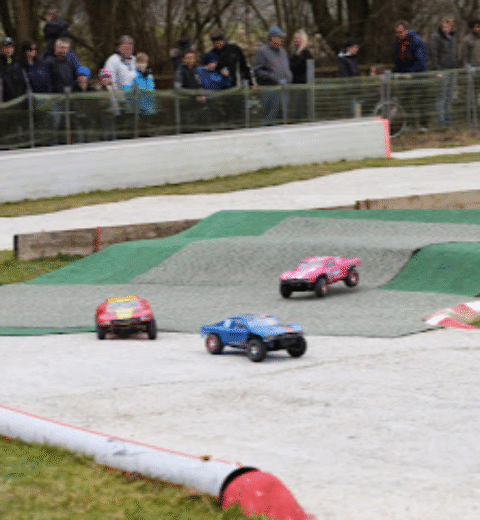
If you’re an RC car enthusiast, you’ve probably asked yourself: “How can I make my RC car faster, tougher, and better on the track?” You’re not alone. One of the best things about the RC hobby is the freedom to upgrade and customize your car to match your driving style.
Whether you’re racing competitively or just looking to impress your friends with the fastest rig on the block, this guide will break down the top RC car upgrades in 2025—what’s worth your money, what makes a real difference, and what to avoid.
🔧 Why Upgrade Your RC Car?
Out of the box, most RC cars are designed to offer a balanced experience—good performance, decent durability, and a reasonable price. But serious performance requires serious upgrades. Here’s what upgrades can do:
- Increase top speed and acceleration
- Improve cornering and stability
- Make your car more durable
- Extend battery life or run time
- Customize your car’s look and performance
🚀 1. Motor and ESC Upgrade (Brushless Power!)
🔹 Why Upgrade:
The motor is the heart of your RC car. Swapping a brushed motor for a brushless system is the most impactful upgrade for speed and performance.
🔹 What to Look For:
- KV Rating – Higher KV = more RPM (speed), lower KV = more torque (great for off-road).
- ESC Compatibility – Always upgrade the ESC (Electronic Speed Controller) along with the motor.
🔹 Recommended Brands:
- Hobbywing QuicRun
- Castle Creations
- Traxxas Velineon
Pro Tip: Make sure your drivetrain can handle the extra power!


🔋 2. Upgrade to LiPo Batteries
🔹 Why Upgrade:
LiPo (Lithium Polymer) batteries provide higher voltage, more current, and longer run times compared to NiMH batteries.
🔹 What to Look For:
- 2S, 3S, or 4S – More cells = more power (but check if your ESC can handle it).
- C Rating – Determines how quickly the battery can deliver power. Higher = better for speed.
🔹 Charger Alert:
Don’t forget a LiPo-compatible balance charger—never use a regular charger with LiPos.
🛞 3. Tires & Wheels: Grip Is Everything
🔹 Why Upgrade:
The right tires make a huge difference in control, traction, and cornering.
🔹 Types of Tires:
- Street Racing: Slick or semi-slick rubber
- Off-Road Bashing: Large knobby tires
- Drifting: Hard compound, smooth surface
🔹 Foam Inserts:
Don’t overlook foam inserts—they add structure and affect how the tire flexes on the terrain.
Pro Tip: Use tire glue to prevent the tires from spinning on the rim under power.
⚙️ 4. Metal Gears & Driveshafts
🔹 Why Upgrade:
Plastic gears are fine for beginners, but if you’re running high-power setups, they will strip or melt under stress.
🔹 Best Upgrades:
- Steel pinion and spur gears
- CVD or universal metal driveshafts
- Aluminum differential housings
This upgrade massively improves durability under hard driving or racing.
🛠️ 5. Suspension and Shocks
🔹 Why Upgrade:
A better suspension setup leads to smoother handling, better traction, and more control—especially on uneven surfaces.
🔹 What to Upgrade:
- Oil-filled aluminum shocks – Absorb bumps better than friction shocks
- Adjustable shock towers
- Heavy-duty springs – Tuned to your driving surface
Use shock oil of different weights to fine-tune your damping response.
🏎️ 6. Chassis and Weight Reduction
🔹 Why Upgrade:
Lighter and stiffer materials = better performance.
🔹 Popular Options:
- Carbon fiber chassis plates
- Aluminum braces and parts
- Lexan (polycarbonate) body shells
Reducing weight improves speed, battery efficiency, and handling—especially in racing.
🎮 7. Advanced Radio Systems
🔹 Why Upgrade:
Your car responds to your transmitter. A cheap radio might have latency, limited range, or poor sensitivity.
🔹 Features to Look For:
- Adjustable throttle curves
- Dual-rate steering
- Model memory (for multiple cars)
- Telemetry (real-time feedback)
🔹 Recommended Brands:
Futaba 4PM
Spektrum DX5C
FlySky FS-GT5

💡 8. Lighting Kits & Sound Systems (For Style and Realism)
🔹 Why Upgrade:
LED lights and engine sound modules are purely aesthetic—but they make your RC car look like the real deal.
🔹 Popular Options:
- Headlights, brake lights, and turn signals
- Engine rev sounds, horn, or turbo sounds
- Underglow LED strips (for night driving)
These mods don’t improve performance but make your rig stand out at the track or meetups.
⚠️ Bonus: What NOT to Upgrade (or at least not first)
- Aluminum A-arms: Heavier than plastic and can bend on impact.
- Oversized motors or batteries: More power than your chassis can handle = broken parts.
- Cheap brushless systems: Bargain motors often fail quickly.
Stick with trusted brands and upgrade in stages, testing each change before moving to the next.
📊 Sample Upgrade Path (For Beginners to Pros)
| Stage | Upgrade | Estimated Cost |
|---|---|---|
| Beginner | LiPo battery + charger | $60–$100 |
| Intermediate | Brushless motor + ESC | $100–$150 |
| Advanced | Suspension + tires + gearing | $80–$120 |
| Pro | Metal drivetrain + chassis + radio | $200–$400 |
You don’t need to spend a fortune all at once. Upgrade as you go, depending on your needs and driving style.
🧠 Final Thoughts: Upgrading is Half the Fun
In 2025, the RC car world is more customizable than ever. Every upgrade you make is a step toward a more powerful, efficient, and exciting RC car. Just like tuning a real vehicle, the more you understand your rig, the more satisfaction you get when it performs exactly the way you want.
Whether you’re gearing up for a race, improving durability for hardcore bashing, or just making your ride look awesome—upgrading your RC car is where the magic happens.
So grab your tools, charge up that battery, and get ready to feel the difference.